
Buy Barbiturate | PENTOBARBITAL (NEMBUTAL ) ORAL SOLUTION Powder online UK | Europe
Price range: £385.00 through £1,400.00
Description
Barbiturates like pentobarbital carry significant clinical responsibilities due to their potent effects and potential for serious complications. Medical professionals must understand proper dosing protocols, recognize contraindications, and monitor patients closely during treatment.
This article covers the medical applications and therapeutic uses of pentobarbital, including its role in seizure management and sedation protocols. We’ll also examine critical dosage guidelines and administration methods that ensure patient safety. Finally, we’ll discuss the essential safety precautions and risk factors that every healthcare provider must consider before prescribing or administering this medication.
Whether you’re reviewing protocols for hospital use or updating your knowledge of barbiturate medications, this guide provides the clinical insights you need for safe, effective patient care.
Understanding Pentobarbital Nembutal Oral Solution
Chemical composition and classification as barbiturate
Pentobarbital sodium belongs to the barbiturate class of central nervous system depressants, specifically categorized as an intermediate-acting barbiturate. The chemical name is sodium 5-ethyl-5-(1-methylbutyl)barbiturate, with the molecular formula C11H17N2NaO3 and a molecular weight of 248.25 g/mol. This white, crystalline powder demonstrates high solubility in water and alcohol while remaining practically insoluble in ether and chloroform.
The barbiturate structure features a pyrimidinetrione ring system that directly influences its pharmacological properties. Two alkyl substituents at the C5 position determine the compound’s duration of action and potency. Pentobarbital’s specific substitution pattern creates its characteristic intermediate onset and duration profile, distinguishing it from other barbiturates like phenobarbital or secobarbital.
The sodium salt form enhances water solubility, making it suitable for oral solution preparations. This ionized state allows for rapid dissolution and absorption when administered, contributing to its reliable pharmacokinetic profile.
Available forms and powder specifications
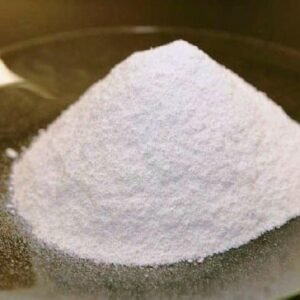
Pentobarbital powder typically contains 99% or higher purity levels when sourced from pharmaceutical-grade manufacturers. The raw powder appears as fine, white to off-white crystals with no distinctive odor. Particle size usually ranges between 50-200 micrometers, ensuring consistent dissolution rates in liquid formulations.
Standard packaging includes:
25g pharmaceutical bottles
100g sealed containers
500g bulk pharmaceutical packaging
1kg industrial-grade containers
Quality specifications require:
Assay: 98.5-101.0% on dried basis
Water content: Maximum 0.5%
Heavy metals: Not more than 20 ppm
pH of 1% aqueous solution: 10.5-11.5
Loss on drying: Maximum 1.0%
The powder demonstrates hygroscopic properties, readily absorbing moisture from air, which can affect stability and potency over time. This characteristic makes proper storage conditions absolutely critical for maintaining pharmaceutical integrity.
Pharmaceutical manufacturing standards
Production follows strict Good Manufacturing Practice (GMP) guidelines established by regulatory authorities. Manufacturing facilities must maintain ISO 9001:2015 certification and undergo regular FDA or equivalent international inspections. The synthesis process involves controlled chemical reactions under sterile conditions with continuous monitoring of temperature, pH, and reaction times.
Quality control testing occurs at multiple production stages:
| Testing Phase | Parameters Checked | Acceptance Criteria |
|---|---|---|
| Raw Materials | Identity, purity, moisture | USP/EP standards |
| In-Process | pH, temperature, reaction completion | Internal specifications |
| Final Product | Assay, impurities, microbiological | Pharmacopeial limits |
| Stability | Degradation products, potency | ICH guidelines |
Documentation requirements include batch records, analytical certificates, and chain of custody forms. Each batch receives unique identification numbers for complete traceability throughout the supply chain.
Storage requirements and shelf life
Proper storage maintains pentobarbital’s chemical stability and therapeutic effectiveness. The powder requires storage in tightly sealed containers at controlled room temperature between 20-25°C (68-77°F), with excursions permitted between 15-30°C. Relative humidity should remain below 60% to prevent moisture absorption and subsequent degradation.
Storage containers must be:
Light-resistant (amber glass or opaque plastic)
Moisture-proof with desiccant packets
Child-resistant when required
Properly labeled with batch information
When stored correctly, pharmaceutical-grade pentobarbital powder maintains stability for 3-5 years from manufacture date. Degradation products form slowly under normal conditions but accelerate when exposed to heat, light, or moisture. Signs of degradation include color changes from white to yellow or brown, clumping, or unusual odors.
Temperature excursions above 30°C can significantly reduce shelf life, while freezing temperatures may cause physical changes affecting dissolution properties. Regular stability testing helps determine actual shelf life under specific storage conditions.
Medical Applications and Therapeutic Uses

Pentobarbital serves as a powerful sedative in various medical settings, particularly during surgical procedures and diagnostic tests. Medical professionals rely on its rapid onset and predictable effects to help patients achieve the necessary level of consciousness reduction for safe medical interventions.
During minor surgical procedures, pentobarbital helps patients remain calm and comfortable while allowing surgeons to work effectively. The medication’s ability to depress the central nervous system makes it valuable for procedures requiring patient cooperation but minimal movement. Dental surgeries, endoscopic examinations, and certain outpatient procedures often benefit from pentobarbital’s sedative properties.
In emergency medicine, pentobarbital provides rapid sedation for agitated patients requiring immediate medical attention. Emergency room physicians use it to calm patients experiencing severe anxiety or panic attacks that interfere with necessary medical care. The medication’s quick action allows medical teams to perform critical assessments and treatments without delay.
Pre-operative sedation represents another important application. Patients scheduled for surgery often experience significant anxiety, which can complicate anesthesia induction and overall surgical outcomes. Pentobarbital helps reduce pre-surgical stress and creates smoother transitions into general anesthesia.
Seizure Control and Epilepsy Management
Pentobarbital plays a crucial role in managing severe seizure disorders, particularly when first-line treatments prove inadequate. Neurologists turn to this barbiturate for its potent anticonvulsant properties, especially in life-threatening seizure situations.
Status epilepticus, a medical emergency involving prolonged seizure activity, often requires pentobarbital intervention. When standard anticonvulsants like phenytoin or benzodiazepines fail to stop continuous seizures, pentobarbital becomes a critical therapeutic option. Its ability to suppress abnormal electrical activity in the brain can prevent permanent neurological damage.
Refractory epilepsy cases, where patients don’t respond to conventional seizure medications, may benefit from pentobarbital therapy. Some patients with treatment-resistant epilepsy find seizure frequency and severity reduced with carefully monitored pentobarbital treatment regimens.
Pediatric seizure management sometimes involves pentobarbital, particularly in neonatal seizures where other medications may be less effective or inappropriate. The medication’s proven track record in controlling seizures across different age groups makes it valuable in specialized neurological care.
Sleep Disorder Treatments
Sleep medicine practitioners occasionally prescribe pentobarbital for severe insomnia cases that don’t respond to conventional sleep aids. The medication’s sedating effects can help reset disrupted sleep patterns in patients with chronic insomnia.
Severe sleep disturbances associated with psychiatric conditions sometimes require pentobarbital intervention. Patients experiencing sleep disruption due to severe anxiety, depression, or other mental health conditions may benefit from short-term pentobarbital therapy to restore normal sleep cycles.
Sleep studies and diagnostic procedures may incorporate pentobarbital to help anxious patients relax during overnight monitoring. Sleep labs sometimes use the medication to reduce patient anxiety and ensure accurate test results during polysomnography studies.
Short-term sleep disorder treatment represents the primary application, as long-term use carries significant risks including tolerance and dependence. Medical professionals carefully weigh benefits against potential complications when considering pentobarbital for sleep-related conditions.
Dosage Guidelines and Administration Methods
Pentobarbital dosing varies significantly based on the intended therapeutic outcome and patient characteristics. For sedation purposes, typical adult doses range from 20-40 mg administered 2-4 times daily. When used for preoperative sedation, a single dose of 100-200 mg is commonly prescribed 1-2 hours before the procedure.
For more intensive therapeutic applications, higher doses may be necessary under strict medical supervision. The maximum recommended daily dose should not exceed 400 mg in most clinical scenarios. Healthcare providers must carefully evaluate each patient’s medical history, current medications, and overall health status before determining appropriate dosing.
Adult patients with hepatic or renal impairment require dose adjustments, often starting at 50% of the standard recommended dose. Elderly patients also need reduced initial doses due to increased sensitivity and slower metabolic clearance.
Pediatric Dosage Considerations
Children require carefully calculated dosing based on body weight and age-specific factors. The standard pediatric dose ranges from 2-6 mg per kilogram of body weight, divided into appropriate intervals throughout the day.
For infants under 6 months, extreme caution is necessary as their hepatic enzyme systems are not fully developed. Doses should start at the lower end of the range, typically 1-2 mg/kg. Children between 6 months and 12 years can generally tolerate 2-4 mg/kg doses, while adolescents may require adult-equivalent dosing adjusted for their body weight.
Pediatric administration requires enhanced monitoring due to unpredictable absorption patterns and varying metabolic rates. Parents and caregivers must receive thorough education about proper administration techniques and potential warning signs that require immediate medical attention.
Powder Preparation and Mixing Instructions
Pentobarbital powder requires careful preparation to ensure consistent dosing and safety. Begin by wearing appropriate protective equipment including gloves and ensuring adequate ventilation in the preparation area.
The powder should be gradually mixed with the recommended diluent, typically sterile water or saline solution. Add the liquid slowly while continuously stirring to prevent clumping and ensure complete dissolution. The mixing ratio depends on the desired concentration, but standard preparations range from 50-100 mg/mL.
Key preparation steps include:
Measure the exact powder amount using a calibrated scale
Add diluent in small increments while mixing
Allow complete dissolution before adding more liquid
Filter the solution if any particles remain
Store prepared solutions according to stability guidelines
Never prepare solutions in advance unless stability data supports extended storage. Most preparations maintain potency for 24-48 hours when refrigerated and protected from light.
Timing and Frequency Recommendations
Timing of pentobarbital administration plays a crucial role in therapeutic effectiveness and patient safety. For sedation purposes, doses should be spaced at least 4-6 hours apart to prevent accumulation and excessive sedation.
When used for sleep induction, administration should occur 30-60 minutes before the desired sleep time. Patients should be in a safe environment where they can remain undisturbed for 8-10 hours following administration.
Multiple daily dosing requires careful scheduling to maintain consistent therapeutic levels while avoiding peak concentration overlap. A typical schedule might include morning, afternoon, and evening doses with the largest dose given at bedtime.
Factors affecting timing include:
Food intake (absorption may be delayed with meals)
Concurrent medications that affect metabolism
Patient’s natural sleep-wake cycle
Activity level and environmental factors
Regular assessment of therapeutic response helps determine optimal timing adjustments. Patients should maintain a medication log noting administration times, effects, and any adverse reactions to help healthcare providers optimize the dosing schedule.
Safety Precautions and Risk Factors

Pentobarbital should never be used in patients with a known hypersensitivity to barbiturates or any components of the formulation. People with acute intermittent porphyria face serious risks, as barbiturates can trigger severe attacks that may be life-threatening. The drug is also contraindicated in patients with severe respiratory depression, especially when respiratory support equipment isn’t available.
Liver disease presents significant concerns since the liver metabolizes pentobarbital. Patients with hepatic impairment may experience prolonged effects and increased toxicity. Similarly, kidney dysfunction can affect drug clearance, requiring careful consideration before use.
Pregnancy represents another major contraindication. Pentobarbital crosses the placental barrier and can cause fetal harm, including withdrawal symptoms in newborns. Breastfeeding mothers should also avoid this medication as it passes into breast milk.
Patients with a history of substance abuse or addiction need special attention, as barbiturates carry high potential for dependence and abuse. Mental health conditions, particularly depression or suicidal ideation, create additional risks since pentobarbital can worsen these conditions.
Drug Interaction Warnings
Pentobarbital interacts with numerous medications, creating potentially dangerous combinations. Central nervous system depressants like alcohol, opioids, benzodiazepines, and other sedatives can cause severe respiratory depression when combined with pentobarbital. This combination often proves fatal.
Anticoagulants such as warfarin require dose adjustments since pentobarbital increases their metabolism, reducing their effectiveness. Patients on blood thinners need frequent monitoring and possible dose increases of their anticoagulant medication.
The drug significantly affects oral contraceptives by increasing their metabolism, potentially leading to contraceptive failure. Women using birth control pills need alternative contraceptive methods while taking pentobarbital.
Common medications affected include:
Antibiotics: Doxycycline and chloramphenicol effectiveness decreases
Antiseizure drugs: Phenytoin levels may fluctuate unpredictably
Corticosteroids: Reduced effectiveness requiring dose adjustments
Antidepressants: MAO inhibitors can prolong barbiturate effects
Overdose Symptoms and Emergency Protocols
Pentobarbital overdose symptoms develop progressively, starting with confusion and drowsiness. Early signs include slurred speech, unsteady walking, and impaired judgment. As overdose progresses, patients experience severe central nervous system depression.
Critical symptoms include:
Slow, shallow breathing or respiratory arrest
Weak, rapid pulse becoming irregular
Cold, clammy skin with bluish coloration
Severely low blood pressure
Coma and complete unconsciousness
Emergency Response Protocol:
Immediate Action: Call emergency services immediately
Airway Management: Ensure clear airway and provide rescue breathing if needed
Positioning: Place patient in recovery position if unconscious but breathing
Information Gathering: Collect medication bottles, note time of ingestion, and estimate amount taken
Medical professionals will likely provide activated charcoal if ingestion was recent, though gastric lavage may be necessary in severe cases. Supportive care includes IV fluids, respiratory support, and continuous monitoring of vital signs. There’s no specific antidote for barbiturate overdose, making prevention and early intervention crucial.
Hemodialysis may be required in severe cases to remove the drug from the bloodstream. Recovery depends on the amount ingested, time to treatment, and individual patient factors.
Side Effects and Monitoring Requirements
Pentobarbital commonly causes drowsiness and sedation, which usually happens within 15-60 minutes after taking the medication. You might feel dizzy or lightheaded, especially when standing up quickly. Many people experience confusion or feel mentally foggy, particularly during the first few days of treatment.
Nausea and vomiting occur frequently, along with stomach upset. Some patients develop headaches or feel irritable and restless. Sleep patterns often change – you might feel extremely sleepy during the day but have trouble with normal sleep at night. Coordination problems and unsteady walking are also typical, making falls a real concern.
Respiratory depression represents the most common serious effect, where breathing becomes slower and shallower. This happens because pentobarbital suppresses the brain’s respiratory center.
Serious complications requiring immediate attention
Severe breathing problems demand immediate medical care. Watch for extremely slow breathing (fewer than 12 breaths per minute), blue lips or fingernails, or gasping for air. These signs indicate dangerous respiratory depression that can be life-threatening.
Allergic reactions, though rare, can be severe. Call emergency services if you notice skin rash, swelling of face or throat, or difficulty breathing. Stevens-Johnson syndrome, a serious skin condition, has been reported with barbiturate use.
Cardiovascular complications include dangerously low blood pressure and irregular heartbeat. Signs include fainting, chest pain, or feeling like your heart is racing or skipping beats. Severe confusion, hallucinations, or loss of consciousness also require emergency attention.
Blood disorders can develop, causing unusual bruising, bleeding, or persistent infections. Liver problems may show up as yellowing of skin or eyes, dark urine, or severe abdominal pain.
Long-term use considerations
Extended pentobarbital use creates physical dependence, making it extremely difficult to stop without medical supervision. Your body adapts to the drug, requiring higher doses to achieve the same effects – this is called tolerance.
Withdrawal symptoms can be dangerous and include seizures, tremors, anxiety, and potentially life-threatening complications. Never stop taking pentobarbital suddenly after regular use. Medical detoxification is essential for safe discontinuation.
Cognitive effects worsen with prolonged use. Memory problems, difficulty concentrating, and slower thinking become more pronounced. These changes may not fully reverse even after stopping the medication.
Bone health deteriorates with long-term barbiturate use. The drug interferes with vitamin D metabolism, leading to weakened bones and increased fracture risk. Regular bone density monitoring becomes important.
Sleep architecture changes permanently. While pentobarbital initially helps with sleep, long-term use disrupts natural sleep patterns, reducing REM sleep and deep sleep stages.
Patient monitoring guidelines
Regular vital sign checks are essential, especially during the first weeks of treatment. Blood pressure, heart rate, and respiratory rate should be monitored closely. Patients require breathing assessments every 2-4 hours initially.
Blood tests help track liver function, complete blood count, and drug levels. Liver enzymes should be checked monthly during extended treatment. Blood counts monitor for potentially serious blood disorders.
Mental status evaluations assess cognitive function and watch for signs of depression or suicidal thoughts. Mood changes can be subtle but significant, requiring careful observation by family members and healthcare providers.
Fall risk assessment becomes crucial due to coordination problems and dizziness. Home safety modifications may be necessary, including removing trip hazards and installing grab bars.
Drug interaction screening is ongoing since pentobarbital affects how other medications work. Any new prescriptions or over-the-counter drugs require careful evaluation for potential interactions.
Sleep quality monitoring helps determine treatment effectiveness while watching for signs of tolerance or dependence. Sleep diaries can track patterns and identify problems early.
Legal Status and Regulatory Information

Prescription Requirements and Controlled Substance Classification
Pentobarbital falls under Schedule II of the Controlled Substances Act in the United States, placing it among the most strictly regulated medications available. This classification means the drug has accepted medical uses but carries an extremely high potential for abuse and psychological or physical dependence. Physicians can only prescribe pentobarbital through written prescriptions that cannot be refilled – patients must obtain a new prescription for each supply.
The Drug Enforcement Administration (DEA) maintains tight oversight of pentobarbital distribution. Pharmacies must maintain detailed records of all pentobarbital transactions, including quantities dispensed, patient information, and prescribing physicians. These records face regular audits and must be preserved for specific timeframes mandated by federal law.
International regulations vary significantly by country. Many European nations classify pentobarbital similarly to the United States, while some countries have banned its use entirely outside of veterinary applications. Healthcare providers working across international borders must understand the specific legal frameworks governing pentobarbital in each jurisdiction where they practice.
Emergency situations may allow for verbal orders in hospital settings, but these require written follow-up within 72 hours. The prescribing physician must personally sign all pentobarbital orders, and electronic signatures face additional verification requirements compared to standard medications.
Healthcare Provider Licensing Needs
Only licensed physicians with active DEA registration numbers can prescribe pentobarbital. The DEA requires providers to complete specific application processes and background checks before granting authorization to prescribe Schedule II substances. This registration must be renewed every three years, and providers must report any changes in practice location or status immediately.
Nurse practitioners and physician assistants may prescribe pentobarbital in states where their scope of practice allows Schedule II prescribing, but they need separate DEA registrations and must work within established collaborative agreements with supervising physicians. Each state maintains different requirements for advanced practice providers regarding controlled substance prescribing.
Healthcare facilities dispensing pentobarbital must maintain DEA registrations at the institutional level. Hospitals, clinics, and specialized treatment centers face regular inspections to verify proper storage, handling, and documentation procedures. Security requirements include locked storage areas, limited access protocols, and alarm systems for areas where pentobarbital is kept.
Continuing education requirements often include training on controlled substance prescribing practices, addiction recognition, and proper documentation procedures. Many states mandate specific coursework on opioid and barbiturate prescribing as part of license renewal requirements.
Patient Documentation Obligations
Patients receiving pentobarbital prescriptions must provide valid government-issued identification at each pharmacy visit. Pharmacies verify this information against their records and may request additional documentation if discrepancies arise. Photo identification requirements help prevent prescription fraud and ensure medications reach intended recipients.
Medical records must contain detailed justification for pentobarbital use, including failed alternative treatments, specific medical conditions requiring barbiturate therapy, and ongoing monitoring plans. Healthcare providers document patient education discussions, including explanations of addiction risks, proper storage requirements, and disposal procedures for unused medications.
Insurance coverage for pentobarbital often requires prior authorization processes where healthcare providers submit detailed clinical information justifying medical necessity. These submissions must include diagnosis codes, treatment history, and expected duration of therapy. Approval processes can take several days, requiring advance planning for patient care.
Patients must sign informed consent documents acknowledging the risks associated with pentobarbital use, including addiction potential, withdrawal symptoms, and dangerous interactions with other substances. These documents become permanent parts of medical records and may be referenced during regulatory audits or legal proceedings.

Anyone considering or currently using pentobarbital should maintain open communication with their healthcare provider. Regular check-ups, honest reporting of side effects, and following prescription guidelines exactly as directed can help maximize benefits while minimizing risks. Remember that this medication’s legal restrictions exist for good reason, and obtaining it through proper medical channels protects both your health and legal standing. Your doctor remains your best resource for navigating the complexities of pentobarbital treatment safely and effectively.
Additional information
| PENTOBARBITAL (NEMBUTAL) POWDER * | 15grams + antiemetics drugs, 20grams + antiemetics drugs, 25 grams + antiemetics drugs, 35 grams + antiemetics drugs, 50 grams + antiemetics drugs, 75 grams + antiemetics drugs, 100 grams + antiemetics drugs |
|---|
Related products
-

Buy POTASSIUM CYANIDE POWDER online UK and Europe
Price range: £395.00 through £675.00Select options This product has multiple variants. The options may be chosen on the product page -
Buy Nembutal Pentobarbital tablets online with fast, secure and discreet delivery. We supply 50mg and 100mg
Price range: £375.00 through £675.00Select options This product has multiple variants. The options may be chosen on the product page -
Buy POTASSIUM CYANIDE TABLETS online in the UK and Europe
Price range: £325.00 through £650.00Select options This product has multiple variants. The options may be chosen on the product page -
Buy PENTOBARBITAL (NEMBUTAL) INJECTION SOLUTION online UK and Europe
Price range: £325.00 through £625.00Select options This product has multiple variants. The options may be chosen on the product page