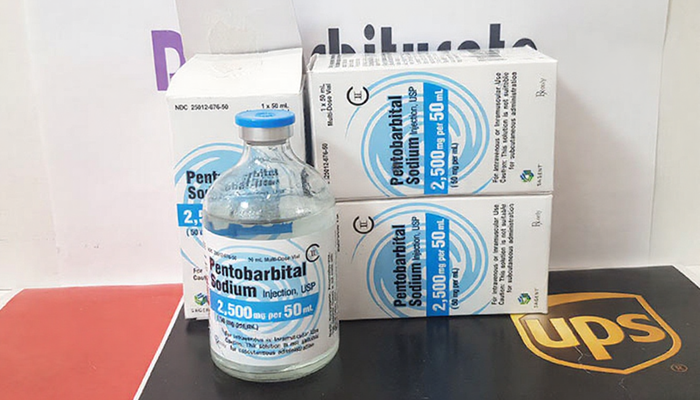
Buy PENTOBARBITAL (NEMBUTAL) INJECTION SOLUTION online UK and Europe
Price range: £325.00 through £625.00
Description
Pentobarbital, commonly known by its trade name Nembutal, is a powerful barbiturate that has been utilized in various medical settings for its sedative and anesthetic properties. Originally developed in the 1920s, pentobarbital has played a significant role in the fields of anesthesia, emergency medicine, and palliative care. Despite its effectiveness, the drug carries a range of potential side effects and legal considerations, making it essential for healthcare providers and patients to understand its uses, dosages, and associated risks. This article aims to provide a comprehensive overview of pentobarbital injection solution, exploring its applications, pharmacokinetics, precautions, and available alternatives.
Overview of Pentobarbital (Nembutal)
History and Development
Pentobarbital, commonly known as Nembutal, has been around since the 1930s, making it a real OG in the world of barbiturates. Originally developed as a sedative and anesthetic, its use has evolved over the decades and found its way into various medical applications. From putting patients to sleep during surgery to providing relief for seizures, Nembutal has seen a lot of action, but it’s also faced scrutiny due to its potential for abuse and dependency.
Classification and Type
Nembutal belongs to the barbiturate class of drugs, which are central nervous system depressants. Think of them as the chill friends at the party—they slow down brain activity and help with anxiety, sleep disorders, and other conditions. Specifically, pentobarbital is classified as a short-to-intermediate acting barbiturate, meaning it works quickly but isn’t meant for long-term use. So, while it can help you unwind, it’s not your go-to for a Netflix binge.
Chemical Composition and Pharmacokinetics
Chemical Structure
The chemical structure of pentobarbital is a bit like that enigmatic stranger at a cocktail party: it has several interesting features! Its chemical formula is C11H18N2O3, and its complex structure includes a barbituric acid core. This structure is what allows it to interact with various receptors in the brain, producing sedative effects. Fancy, right?
Absorption and Distribution
Once injected, pentobarbital takes a grand entrance into the bloodstream, with its effects kicking in within minutes. It’s like the life of the party, quickly distributing itself throughout the body and crossing the blood-brain barrier with ease. This rapid absorption and wide distribution contribute to its effectiveness in medical settings.
Metabolism and Excretion
Pentobarbital isn’t the type to overstay its welcome. It’s primarily metabolized in the liver and then excreted through the kidneys. The half-life varies depending on the individual—so, if you were hoping for a one-size-fits-all timeline, sorry! But on average, the effects tend to hang around for several hours before saying their goodbyes.
Medical Uses and Indications
Use in Anesthesia
In the realm of anesthesia, pentobarbital is a trusted companion. It’s used to induce anesthesia before surgical procedures, helping to ensure patients don’t feel a thing. Think of it as a reliable friend who carries you home safely after a wild night out. It’s effective at calming the nerves and allowing medical professionals to perform their tasks without a hitch.
Management of Seizures
Pentobarbital also plays a role in managing seizures, especially during acute situations. In cases where other medications might have failed or if a patient is in status epilepticus (that’s a fancy term for a prolonged seizure), Nembutal can be life-saving. It helps stabilize the brain and reduces seizure activity, making it a crucial tool in emergency medicine.
Palliative Care Applications
In palliative care, pentobarbital can be used to ease suffering in patients with terminal conditions. It helps provide sedation and alleviate pain, allowing for a more peaceful transition. While it’s not a cure-all, it plays a vital role in enhancing the quality of life for those at the end stages of their journey.
Dosage and Administration Guidelines
Recommended Dosages for Adults
For adults, the recommended dosage of pentobarbital varies depending on its intended use. For anesthesia induction, doses typically range from 5 to 15 mg/kg, administered slowly via injection. For managing seizures, a loading dose might be around 15 mg/kg, followed by maintenance doses. But remember, the precise dosage should always be tailored to the individual patient and managed by a healthcare professional.
Dosages for Special Populations
Special populations, such as the elderly or individuals with liver impairment, may require adjustments to their dosages. Aging bodies can react differently to medications, so it’s crucial to have healthcare providers closely monitor and fine-tune dosages accordingly. No one wants surprises when it comes to medication!
Administration Routes
Pentobarbital can be administered via various routes, including intravenous (IV) and intramuscular (IM) injections. IV administration is often preferred for quick effect, especially in emergency situations. No fuss, just fast action! However, the route of administration will depend on the clinical scenario and the healthcare provider’s discretion.
Side Effects and Risks
Common Side Effects
Pentobarbital, also known as Nembutal, may leave you feeling a bit more relaxed than you’d like, but it’s not all sunshine and rainbows. Common side effects include drowsiness, dizziness, and confusion. You might also experience a dry mouth or feel a bit woozy—kind of like that one time you had a few too many at the office party. If you find yourself stumbling around or having a hard time concentrating, it’s probably a sign to chat with your doctor.
Severe Adverse Reactions
While most folks might just feel a little fuzzy, some can experience more significant issues. Severe adverse reactions can include respiratory depression (which is a fancy way of saying your breathing could go south), allergic reactions like rash or hives, and the potential for dependence. If you notice any unusual symptoms or feel like you’re auditioning for a medical drama with chest pain or fainting spells, it’s definitely time to seek help.
Long-term Effects
Using pentobarbital for an extended period can turn the body into a bit of a drama queen. Long-term effects may include cognitive impairment, mood swings, and even dependency—because who doesn’t love a long-term relationship with their medication? Chronic use can also mess with your sleep cycle and lead to withdrawal symptoms if you suddenly decide to break up. Best to keep this one on the short leash.
Contraindications and Precautions
Medical Conditions to Consider
Before you dive headfirst into the world of pentobarbital, remember that certain medical conditions can throw a wrench in your plans. If you have a history of respiratory issues, liver disease, or any kind of substance abuse problem, this medication might not be your best friend. Always spill the beans on your medical history to your healthcare provider—even the awkward stuff.
Drug Interactions
Mixing medications can sometimes feel like a really bad cocktail party, and pentobarbital is no exception. It has a knack for interacting with other drugs, particularly central nervous system depressants like alcohol, benzodiazepines, and other sedatives. Combining these could lead to a hangover that lasts a lifetime—so always keep your pharmacist in the loop about what you’re taking.
Pregnancy and Lactation
If you’re expecting or nursing, pentobarbital might not be the best choice for you. It’s something of a party crasher during pregnancy and can affect your baby. The drug can pass into breast milk, so if you’re nursing, it’s wise to discuss your options with a healthcare professional who can help you find a safer alternative.
Legal Status and Regulation
Controlled Substance Classification
Pentobarbital is no wallflower when it comes to legal status; it’s classified as a Schedule II controlled substance in many regions. This means it has a high potential for abuse and dependency, and the law keeps a close eye on it. Purchasing or possessing this drug without a prescription could land you in some serious trouble—think more “Orange Is the New Black” than a walk in the park.
Regulatory Agencies and Guidelines
In the U.S., the FDA and DEA are the big players when it comes to pentobarbital regulation. They enforce strict guidelines about how this medication is produced, distributed, and prescribed. If you’re curious about the nitty-gritty of regulations, these agencies keep all the juicy details on their websites—just don’t expect any spoilers about the next season of your favorite show.
Alternatives to Pentobarbital
Other Barbiturates
If you’re looking for something similar to pentobarbital, there are other barbiturates out there, like phenobarbital and secobarbital. These cousins may offer similar sedative effects, but remember, they all come with their own set of quirks and side effects. It’s a bit like picking your favorite ice cream flavor—always best to sample before committing.
Non-barbiturate Sedatives
If barbiturates sound like a bad idea for your med cabinet, there are non-barbiturate sedatives, such as benzodiazepines (think Xanax and Valium) and newer options like Z-drugs (e.g., Ambien). These may provide a calmer path to relaxation without the higher risks associated with their barbiturate counterparts. Just remember, each has its own risks and benefits, so tread wisely.
Emerging Therapies
And let’s not forget the world of emerging therapies! With advancements in medicine, new non-sedating anxiolytics and neuro-stabilizers are popping up like daisies in spring. These therapies are still being researched, but if you’re looking for a more modern approach to manage anxiety or sleep issues, it’s worthwhile to have a chat with your healthcare provider about what’s new on the block.In conclusion, pentobarbital (Nembutal) remains an important medication in the medical field, particularly for its sedative and anesthetic effects. While it offers significant benefits in specific clinical scenarios, understanding its potential risks and legal implications is crucial for safe and effective use. As the landscape of medicine evolves, ongoing research into alternatives and updated guidelines will continue to shape the role of pentobarbital in patient care. It is vital for healthcare providers to stay informed and make informed decisions that prioritize patient safety and well-being.
Frequently Asked Questions (FAQ)
What is the primary use of pentobarbital (Nembutal)?
Pentobarbital is primarily used as a sedative and anesthetic in medical settings, particularly for inducing anesthesia, managing seizures, and providing palliative care.
What are the common side effects of pentobarbital?
Common side effects may include drowsiness, dizziness, nausea, and respiratory depression. Severe adverse reactions can occur and require immediate medical attention.
Is pentobarbital considered a controlled substance?
Yes, pentobarbital is classified as a Schedule II controlled substance in many countries due to its potential for abuse and dependence.
Are there any alternatives to pentobarbital?
Yes, alternatives include other barbiturates and non-barbiturate sedatives, as well as emerging therapies that may offer similar benefits with reduced risks.
Additional information
| PENTOBARBITAL (NEMBUTAL) INJECTION SOLUTION * | 50mg/ml (20ml), 1 vial, 50mg/ml (20ml), 2 vials, 50mg/ml (20ml), 3 vials, 50mg/ml (50ml), 1 vial, 50mg/ml (50ml), 2 vials, 50mg/ml (50ml), 3 vials |
|---|
Related products
-

Buy POTASSIUM CYANIDE TABLETS online in the UK and Europe
Price range: £325.00 through £650.00Select options This product has multiple variants. The options may be chosen on the product page -
Buy Nembutal Pentobarbital tablets online with fast, secure and discreet delivery. We supply 50mg and 100mg
Price range: £375.00 through £675.00Select options This product has multiple variants. The options may be chosen on the product page -
Buy Barbiturate | PENTOBARBITAL (NEMBUTAL ) ORAL SOLUTION Powder online UK | Europe
Price range: £385.00 through £1,400.00Select options This product has multiple variants. The options may be chosen on the product page -
Buy POTASSIUM CYANIDE POWDER online UK and Europe
Price range: £395.00 through £675.00Select options This product has multiple variants. The options may be chosen on the product page