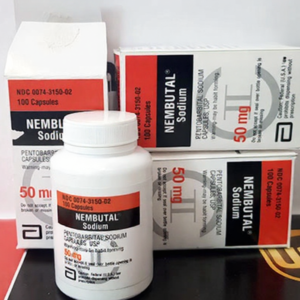
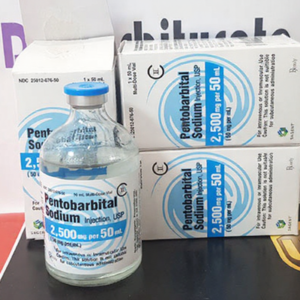
Buy Barbiturate (ALL NEMBUTAL PRODUCTS) online UK Europe

Barbiturate

Create a realistic image of a clean, modern medical setting with a white male doctor in a lab coat holding a medicine bottle containing barbiturate pills, with medical charts and prescription pads on a desk in the background, soft clinical lighting, and the text "BARBITURATE: Medical Uses & Safety" prominently displayed in professional blue lettering across the image.

Understanding Barbiturates: A Complete Guide for Healthcare Professionals and Students

Barbiturates are a class of sedative medications that once dominated medical practice but now require careful understanding due to their complex nature. This comprehensive guide is designed for healthcare professionals, medical students, pharmacy technicians, and anyone seeking evidence-based information about these powerful drugs.

We’ll explore the medical applications where barbiturates still play a vital role in modern healthcare, from seizure control to anesthesia support. You’ll also learn about the serious risks and side effects that make these medications so tightly controlled, including dependency potential and overdose dangers. Finally, we’ll examine how medical practice has evolved with safer alternatives while understanding when barbiturates remain the best treatment option.

Understanding Barbiturate Classification and Properties

Create a realistic image of a modern laboratory setting with multiple glass vials and bottles containing different colored pharmaceutical substances arranged on a clean white lab bench, with a scientific classification chart or periodic table-style grid visible in the background showing different categories of chemical compounds, proper laboratory lighting with bright white illumination, and a sterile medical research environment atmosphere, absolutely NO text should be in the scene.

Defining barbiturates as central nervous system depressants

Barbiturates belong to a powerful class of medications that slow down brain activity by suppressing the central nervous system. These drugs work by enhancing the effects of GABA, a neurotransmitter that naturally calms nerve activity in the brain. When someone takes a barbiturate, their breathing slows, heart rate decreases, and mental alertness diminishes significantly.

The depressant effects happen quickly and can range from mild sedation to complete unconsciousness, depending on the dose and type of barbiturate used. Unlike stimulants that speed up brain function, barbiturates create the opposite effect – they essentially put the brakes on neural activity throughout the body.

Exploring the chemical structure and mechanism of action

All barbiturates share a core chemical structure called barbituric acid, which was first synthesized in 1864. This basic framework consists of a six-membered ring containing carbon, nitrogen, and oxygen atoms. Different barbiturates are created by adding various chemical groups to this foundation, which changes how quickly they work and how long their effects last.

The magic happens at GABA receptors in the brain. Barbiturates bind to specific sites on these receptors and make them more responsive to GABA’s calming signals. Think of it like turning up the volume on your brain’s natural “quiet down” message. This enhanced GABA activity leads to the sedative effects people experience.

The chemical modifications also determine how easily each barbiturate crosses the blood-brain barrier and how quickly the liver breaks it down. These factors directly influence onset time, duration, and intensity of effects.

Categorizing different types based on duration of effects

Medical professionals classify barbiturates into four main categories based on how long their effects last:

Ultra-short acting (15 minutes to 3 hours):

  • Thiopental

  • Methohexital

  • Used primarily for anesthesia induction

Short-acting (3 to 8 hours):

  • Pentobarbital

  • Secobarbital

  • Often used for severe insomnia or pre-surgical sedation

Intermediate-acting (6 to 12 hours):

  • Amobarbital

  • Butalbital

  • Commonly found in headache medications

Long-acting (12+ hours):

  • Phenobarbital

  • Primidone

  • Primarily used for seizure control

The duration depends on how quickly each drug is metabolized and eliminated from the body. Ultra-short acting barbiturates are highly fat-soluble and rapidly redistribute from the brain to other tissues, ending their effects quickly. Long-acting varieties are metabolized more slowly by the liver, maintaining therapeutic levels for extended periods.

Recognizing common barbiturate medications still in use

While barbiturate use has declined dramatically since the 1970s, several remain important in modern medicine:

MedicationPrimary UseDuration Category
PhenobarbitalEpilepsy, seizure disordersLong-acting
PentobarbitalSevere insomnia, euthanasiaShort-acting
ThiopentalAnesthesia inductionUltra-short acting
ButalbitalTension headaches (in combinations)Intermediate-acting

Phenobarbital stands out as the most commonly prescribed barbiturate today, particularly for controlling seizures in both children and adults. Doctors value its effectiveness and relatively predictable side effect profile when used properly.

Butalbital appears in several combination medications for treating tension headaches, typically paired with acetaminophen and caffeine. These combination drugs remain popular because they effectively address both pain and the anxiety that often accompanies severe headaches.

Pentobarbital has found new relevance in end-of-life care and veterinary medicine, though its medical use for sleep disorders has largely been replaced by safer alternatives.

Medical Applications and Therapeutic Benefits

Create a realistic image of a modern medical clinic consultation room with a middle-aged white male doctor in a white coat discussing treatment options with an adult black female patient sitting on an examination table, with medical charts and prescription bottles visible on a nearby counter, bright clinical lighting, sterile white walls with medical diplomas, and a calm, professional healthcare atmosphere. Absolutely NO text should be in the scene.

Treating severe insomnia and sleep disorders

Barbiturates served as the primary sleep medication for decades before modern alternatives emerged. These powerful sedatives work by enhancing GABA activity in the brain, creating deep, prolonged sleep that proved especially valuable for patients with chronic insomnia resistant to other treatments. Phenobarbital and secobarbital became household names in treating severe sleep disturbances, particularly when patients experienced rebound insomnia from other medications.

The effectiveness of barbiturates in sleep medicine stemmed from their ability to reduce sleep latency and maintain sleep throughout the night. Unlike some medications that only help with falling asleep, barbiturates provided sustained sedation for 6-8 hours, making them ideal for shift workers and patients with fragmented sleep patterns. However, their use required careful monitoring due to tolerance development and withdrawal risks.

Managing epilepsy and seizure control

Phenobarbital remains a cornerstone in epilepsy treatment, especially in developing countries where newer anticonvulsants are cost-prohibitive. This barbiturate has demonstrated remarkable efficacy in controlling generalized tonic-clonic seizures and partial seizures, with some patients achieving complete seizure freedom for decades.

The anticonvulsant properties of barbiturates work through multiple mechanisms, including sodium channel blockade and GABA enhancement. Phenobarbital’s long half-life provides consistent seizure protection with once or twice-daily dosing, improving medication compliance. Pediatric epilepsy often responds well to phenobarbital, particularly in neonatal seizures where other medications may be contraindicated.

Seizure TypeEffectivenessTypical Dosage
Tonic-clonicHigh60-180 mg/day
PartialModerate-High90-240 mg/day
MyoclonicLow-Moderate90-180 mg/day

Providing anesthesia for surgical procedures

Barbiturates revolutionized surgical anesthesia by providing rapid unconsciousness and amnesia. Thiopental, known as “truth serum,” became the gold standard for anesthesia induction due to its quick onset and predictable effects. Surgeons could rely on barbiturate anesthesia for procedures requiring deep sedation and muscle relaxation.

The pharmacokinetics of barbiturates made them particularly suitable for surgical settings. Their lipophilic nature allowed rapid brain penetration, while redistribution to muscle and fat tissues provided controlled awakening. Methohexital offered an even shorter duration of action, making it ideal for outpatient procedures and electroconvulsive therapy.

Modern anesthesia protocols still incorporate barbiturates in specific situations, such as neurosurgery where brain protection is crucial, or when patients have allergies to newer anesthetic agents. The ability to titrate barbiturate doses based on patient response makes them valuable tools in the anesthesiologist’s arsenal.

Supporting alcohol withdrawal treatment

Barbiturates share cross-tolerance with alcohol, making them effective for managing severe withdrawal symptoms. This pharmacological similarity allows barbiturates to prevent life-threatening complications like delirium tremens and seizures during alcohol detoxification. Phenobarbital loading protocols have shown success in emergency departments treating acute withdrawal.

The gradual tapering of barbiturates mimics the natural decline in alcohol levels, reducing the shock to the nervous system that occurs with abrupt cessation. This approach has proven particularly valuable for patients with a history of withdrawal seizures or those who have failed previous detoxification attempts with benzodiazepines.

Treatment protocols typically involve initial loading doses followed by scheduled reductions based on clinical assessment scores. The longer half-life of phenobarbital compared to alcohol provides smoother withdrawal management with less frequent dosing requirements.

Identifying Risks and Dangerous Side Effects

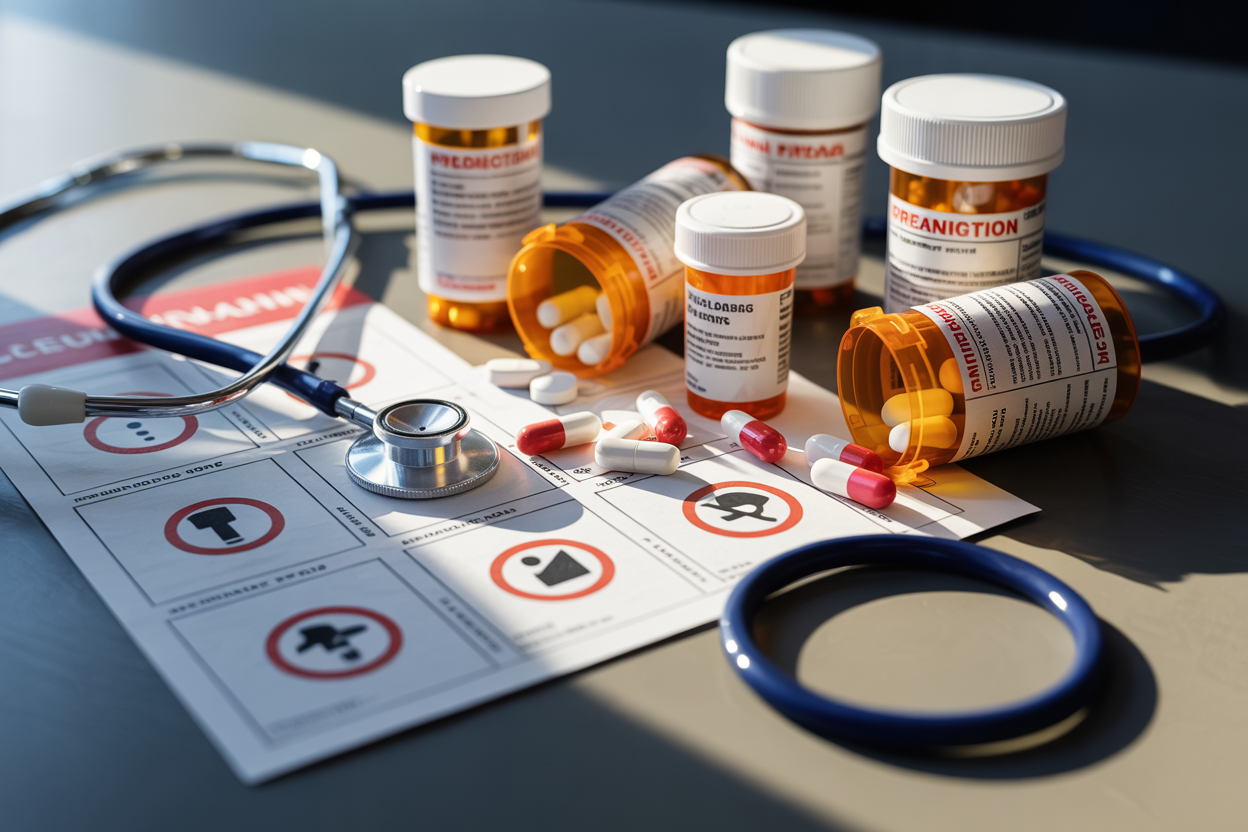
Create a realistic image of a close-up view of various prescription pill bottles with warning labels scattered on a medical table, alongside a stethoscope and medical chart showing danger symbols and warning icons, with dramatic lighting casting shadows to emphasize the serious nature of pharmaceutical risks, absolutely NO text should be in the scene.

Understanding Potential for Physical Dependence

Physical dependence develops rapidly with regular barbiturate use, often within just two weeks of consistent dosing. The body adjusts to the drug’s presence by altering neurotransmitter production and receptor sensitivity. When barbiturates bind to GABA receptors in the brain, they enhance the calming effects of this natural neurotransmitter. Over time, the brain reduces its own GABA production, creating a chemical imbalance that requires the drug to maintain normal function.

Withdrawal symptoms can be severe and dangerous, including anxiety, tremors, seizures, and potentially life-threatening delirium. Unlike many other substances, barbiturate withdrawal can be fatal without proper medical supervision. Early signs of dependence include needing higher doses to achieve the same effect, experiencing anxiety when the drug wears off, and feeling unable to function normally without it.

Recognizing Overdose Symptoms and Fatality Risks

Barbiturate overdose represents a medical emergency with a narrow margin between therapeutic and lethal doses. The therapeutic index for most barbiturates is dangerously low, meaning the difference between an effective dose and a fatal one is minimal.

Critical overdose symptoms include:

  • Severe drowsiness progressing to unconsciousness

  • Slurred speech and confusion

  • Slow, shallow breathing or respiratory arrest

  • Weak pulse and low blood pressure

  • Cold, clammy skin with blue lips or fingernails

  • Loss of coordination and reflexes

Death typically occurs from respiratory depression, where the brain’s breathing center becomes too suppressed to maintain adequate oxygen levels. The risk increases dramatically when barbiturates are combined with alcohol or other central nervous system depressants.

Avoiding Dangerous Drug Interactions

Barbiturates interact with numerous medications and substances, often amplifying sedative effects to dangerous levels. Alcohol represents the most common and deadly combination, as both substances depress the central nervous system. Even small amounts of alcohol can turn a therapeutic dose into a potentially fatal one.

Major interactions include:

Substance TypeExamplesRisk Level
CNS DepressantsOpioids, benzodiazepines, alcoholCritical
AnticoagulantsWarfarin, heparinHigh
AntidepressantsMAOIs, tricyclicsModerate to High
AnticonvulsantsPhenytoin, carbamazepineModerate

Barbiturates also accelerate the metabolism of many medications by inducing liver enzymes, reducing the effectiveness of birth control pills, blood thinners, and various prescription drugs. Always inform healthcare providers about barbiturate use before starting any new medication.

Managing Tolerance Development Over Time

Tolerance to barbiturates develops quickly and unevenly across different effects. While tolerance to the sedative effects may develop within days, tolerance to the lethal dose increases much more slowly. This creates an increasingly dangerous situation where users need higher doses to feel the desired effects, but the margin of safety continues to shrink.

Cross-tolerance with alcohol and other sedatives means that people with barbiturate tolerance may also have reduced sensitivity to these substances. This can lead to dangerous miscalculations when using multiple substances.

Breaking the tolerance cycle requires complete cessation under medical supervision, as tapering schedules must be carefully managed to prevent withdrawal seizures.

Preventing Respiratory Depression Complications

Respiratory depression is the most serious and potentially fatal side effect of barbiturate use. The drugs suppress the medulla oblongata, the brain region controlling automatic breathing. This effect occurs dose-dependently and can happen even at prescribed doses in susceptible individuals.

Risk factors for respiratory complications include:

  • Sleep apnea or other breathing disorders

  • Advanced age (over 65)

  • Lung disease such as COPD or asthma

  • Concurrent use of other respiratory depressants

  • Recent illness affecting breathing

Never take barbiturates when experiencing respiratory infections, as compromised lung function increases the risk of dangerous oxygen deprivation. Keep rescue medications like naloxone readily available when prescribed, though its effectiveness against barbiturate overdose is limited compared to opioid overdoses.

Regular monitoring of oxygen saturation and breathing patterns is essential for anyone using barbiturates long-term, particularly during sleep when natural respiratory drive is already reduced.

Safe Usage Guidelines and Precautions

Create a realistic image of a clean, organized medicine cabinet or pharmacy counter displaying various prescription pill bottles with safety caps, a digital scale, measuring tools, and medical reference books, alongside safety symbols like warning labels and prescription guidelines charts, set in a professional medical environment with bright, clinical lighting and a sterile white background, featuring a middle-aged white female pharmacist in a white coat carefully organizing medications while wearing gloves, with focus on precision and safety protocols, absolutely NO text should be in the scene.

Following Proper Dosage Recommendations

Barbiturate dosing requires strict adherence to prescribed amounts, as the margin between therapeutic and dangerous levels is narrow. Physicians typically start with the lowest effective dose and adjust based on patient response. Never increase, decrease, or skip doses without medical approval, as barbiturates affect brain chemistry in ways that demand consistency.

Individual factors significantly impact dosing requirements. Age, weight, liver function, and kidney health all influence how your body processes these medications. Older adults often require reduced doses due to slower metabolism, while those with liver disease may need even greater reductions. Keep a medication log noting dose times and any effects to share with your healthcare provider.

Taking barbiturates with food can slow absorption, which may be beneficial for some formulations but problematic for others designed for rapid onset. Always follow specific instructions about whether to take medication with or without food.

Monitoring for Adverse Reactions and Warning Signs

Watch for early warning signs that indicate potential problems. Excessive drowsiness during the day, confusion, slurred speech, or difficulty walking signal that blood levels may be too high. Memory problems, mood changes, or unusual behavior patterns also warrant immediate medical attention.

Respiratory depression represents the most serious concern. Signs include shallow breathing, blue lips or fingernails, or feeling short of breath. These symptoms require emergency medical care. Skin reactions like rashes, hives, or swelling can indicate allergic responses that may worsen with continued use.

Physical dependence signs include needing higher doses for the same effect, withdrawal symptoms between doses, or experiencing anxiety when medication time approaches. Psychological dependence manifests as preoccupation with the medication, using it for non-medical purposes, or feeling unable to function without it.

Regular blood tests may be necessary to monitor liver function and drug levels. Keep all appointments for these assessments, as they provide crucial safety data.

Implementing Gradual Tapering When Discontinuing

Stopping barbiturates suddenly can trigger life-threatening withdrawal seizures, making gradual reduction essential. Healthcare providers typically reduce doses by 10-25% every few days to weeks, depending on the specific medication and how long you’ve been taking it.

Withdrawal symptoms typically include anxiety, insomnia, tremors, and nausea. More severe reactions can include hallucinations, high fever, and seizures. The tapering schedule aims to minimize these effects while safely clearing the drug from your system.

Short-acting barbiturates often require faster tapering schedules but with smaller dose reductions, while long-acting formulations allow for slower, more gradual decreases. Your doctor may switch you to a longer-acting barbiturate before beginning the taper to make the process smoother.

Environmental factors during tapering matter significantly. Ensure you have support systems in place, minimize stress, and avoid alcohol or other substances that could complicate withdrawal.

Coordinating with Healthcare Providers for Supervision

Regular medical supervision throughout barbiturate treatment protects against complications and ensures optimal outcomes. Schedule follow-up appointments as recommended, typically every 2-4 weeks initially, then monthly for ongoing treatment.

Inform all healthcare providers about barbiturate use, including dentists, surgeons, and emergency room staff. These medications interact with numerous other drugs and anesthetics, making complete medical history essential for safe care.

Maintain open communication about effectiveness and side effects. If the medication isn’t working as expected or causing problems, your doctor can adjust the treatment plan. Never suffer in silence with side effects or inadequate symptom control.

Coordinate prescription refills to avoid running out, as interruptions in treatment can trigger withdrawal. Most pharmacies can provide automatic refill services, but always verify you have adequate supply before traveling or during holidays when medical offices may be closed.

Modern Alternatives and Treatment Evolution

Create a realistic image of a modern medical research laboratory with contemporary pharmaceutical equipment, glass vials containing colorful liquid medications on sterile countertops, advanced computer monitors displaying molecular structures, white male scientist in lab coat examining test tubes, sleek stainless steel surfaces, bright fluorescent lighting, clean clinical atmosphere representing medical advancement and drug development evolution, absolutely NO text should be in the scene.

Benzodiazepines have largely replaced barbiturates as the preferred treatment for anxiety, insomnia, and seizure disorders. Unlike barbiturates, which affect the entire brain indiscriminately, benzodiazepines work more selectively on GABA receptors, creating a much safer therapeutic window. Lorazepam (Ativan), alprazolam (Xanax), and diazepam (Valium) carry significantly lower risks of fatal overdose compared to their barbiturate predecessors.

MedicationHalf-lifePrimary UseOverdose Risk
Lorazepam10-20 hoursAnxiety, seizuresLower
Alprazolam11-15 hoursPanic disordersLower
Clonazepam18-50 hoursSeizures, anxietyLower
Diazepam20-70 hoursMuscle spasms, anxietyLower

Short-acting benzodiazepines like alprazolam work quickly for panic attacks but may create dependence issues with frequent use. Longer-acting options like clonazepam provide more stable blood levels and reduce the risk of withdrawal symptoms between doses. Medical professionals now prefer these medications because they’re less likely to cause respiratory depression when taken alone, though combining them with alcohol or opioids still poses serious risks.

Exploring non-pharmaceutical sleep solutions

Sleep medicine has evolved dramatically beyond medication-based approaches. Cognitive Behavioral Therapy for Insomnia (CBT-I) has emerged as the gold standard treatment, showing effectiveness rates comparable to sleeping pills without the risks of dependence or tolerance. This approach addresses the root causes of sleep problems rather than just masking symptoms.

Sleep hygiene practices form the foundation of non-drug interventions:

  • Maintaining consistent sleep and wake times

  • Creating a cool, dark sleeping environment

  • Limiting screen exposure before bedtime

  • Avoiding caffeine after 2 PM

  • Establishing relaxing bedtime routines

Mindfulness meditation and progressive muscle relaxation techniques help quiet racing thoughts that often prevent sleep. Many people find success with guided meditation apps or biofeedback devices that teach breathing control. Light therapy using specialized lamps can reset circadian rhythms, particularly helpful for shift workers or those with seasonal depression.

Sleep restriction therapy, paradoxically, involves temporarily limiting time in bed to consolidate sleep. While initially challenging, this method often produces lasting improvements in sleep quality and duration. White noise machines, weighted blankets, and temperature-regulating mattresses address environmental factors that disrupt rest.

Utilizing newer anticonvulsant medications

Modern epilepsy treatment has moved far beyond barbiturates thanks to safer, more effective anticonvulsant drugs. These newer medications target specific ion channels and neurotransmitter systems with greater precision, reducing both seizures and side effects. Levetiracetam (Keppra) works through a unique mechanism that modulates synaptic vesicle proteins, making it effective against various seizure types with minimal drug interactions.

Lamotrigine (Lamictal) blocks sodium channels more selectively than older drugs, providing excellent seizure control while preserving cognitive function. Many patients report feeling more alert and mentally sharp compared to traditional anticonvulsants. Oxcarbazepine (Trileptal) offers similar benefits to carbamazepine but with fewer liver enzyme effects and drug interactions.

Newer options like lacosamide (Vimpat) and perampanel (Fycompa) represent cutting-edge approaches to seizure management. These medications often work as add-on therapy when single drugs aren’t sufficient, allowing doctors to customize treatment plans for individual patients. The side effect profiles are generally milder, with less sedation, cognitive impairment, and organ toxicity compared to barbiturates.

Extended-release formulations improve medication compliance by reducing dosing frequency. Many newer anticonvulsants also treat other conditions like neuropathic pain and mood disorders, providing additional therapeutic benefits beyond seizure control.

Accessing addiction recovery resources and support

Breaking free from barbiturate dependence requires comprehensive support that addresses both physical withdrawal and psychological aspects of addiction. Medical detoxification under professional supervision remains the safest approach, as barbiturate withdrawal can be life-threatening without proper management. Gradual tapering schedules help prevent dangerous complications like seizures or delirium tremens.

Inpatient rehabilitation programs typically last 30-90 days and provide 24-hour medical monitoring during the most critical withdrawal phases. These facilities offer structured environments with counseling, group therapy, and educational sessions about addiction recovery. Outpatient programs work well for people with strong support systems at home, allowing them to maintain work or family responsibilities while receiving treatment.

Support groups play a crucial role in long-term recovery success:

  • Narcotics Anonymous (NA) meetings

  • SMART Recovery programs

  • Celebrate Recovery groups

  • Online support communities

  • Family counseling services

Medication-assisted treatment may include non-addictive alternatives for underlying conditions that originally led to barbiturate use. Antidepressants, anticonvulsants, or sleep aids with lower abuse potential can address legitimate medical needs without perpetuating addiction cycles.

Recovery coaching and peer support specialists, often individuals with their own recovery experience, provide practical guidance and emotional support throughout the healing process. Many insurance plans now cover addiction treatment services, making professional help more accessible than ever before.

Create a realistic image of a clean, professional medical consultation room with a white male doctor in a lab coat sitting across from a diverse patient, having a serious but reassuring conversation about medication safety, with medical books and prescription bottles visible on the desk between them, soft natural lighting streaming through a window, conveying hope and responsible healthcare guidance, absolutely NO text should be in the scene.

Barbiturates remain important medications in specific medical situations, but they come with serious risks that can’t be ignored. From their role in anesthesia and seizure control to the very real dangers of overdose and dependency, these drugs require careful handling and medical supervision. The side effects can be life-threatening, and the margin between therapeutic and toxic doses is often uncomfortably narrow.

Today’s medical field offers safer alternatives for most conditions that once relied heavily on barbiturates. If you’re prescribed these medications, stick closely to your doctor’s instructions and never adjust doses on your own. Keep an open dialogue with your healthcare provider about any concerns or side effects you experience. Your safety depends on treating these powerful drugs with the respect and caution they demand.

  • Buy Barbiturate | PENTOBARBITAL (NEMBUTAL ) ORAL SOLUTION Powder online UK | Europe

    Buy Barbiturate | PENTOBARBITAL (NEMBUTAL ) ORAL SOLUTION Powder online UK | Europe

    Price range: £385.00 through £1,400.00

      understanding  Pentobarbital Nembutal: Essential Information for Medical Professionals  Pentobarbital (Nembutal) oral solution powder is a controlled arbiturate medication that requires careful medical oversight and precise administration. This comprehensive guide is designed for healthcare providers, medical students, and pharmacists who need accurate information about this powerful sedative-hypnotic drug. Barbiturates like pentobarbital carry significant clinical responsibilities…

    Select optionsLoading Done This product has multiple variants. The options may be chosen on the product page
  • Buy Nembutal Pentobarbital tablets online with fast, secure and discreet delivery. We supply 50mg and 100mg. Click below for pricing

    Buy Nembutal Pentobarbital tablets online with fast, secure and discreet delivery. We supply 50mg and 100mg

    Price range: £375.00 through £675.00

      In today’s digital age, the ability to purchase medications online has become increasingly accessible, offering convenience to those in need. Among these medications, Nembutal, or pentobarbital, is a powerful barbiturate that has various medical applications, including use in anesthesia and as a sedative. This article will guide you through the important aspects of buying…

    Select optionsLoading Done This product has multiple variants. The options may be chosen on the product page
  • Buy Barbiturate (ALL NEMBUTAL PRODUCTS) online UK Europe

    Buy PENTOBARBITAL (NEMBUTAL) INJECTION SOLUTION online UK and Europe

    Price range: £325.00 through £625.00

      Pentobarbital, commonly known by its trade name Nembutal, is a powerful barbiturate that has been utilized in various medical settings for its sedative and anesthetic properties. Originally developed in the 1920s, pentobarbital has played a significant role in the fields of anesthesia, emergency medicine, and palliative care. Despite its effectiveness, the drug carries a…

    Select optionsLoading Done This product has multiple variants. The options may be chosen on the product page
  • Buy POTASSIUM CYANIDE POWDER online UK and Europe

    Buy POTASSIUM CYANIDE POWDER online UK and Europe

    Price range: £395.00 through £675.00

      Potassium cyanide powder, a highly toxic substance, is utilized in various industries, including mining, pharmaceuticals, and chemical synthesis. Its potent properties make it essential for specific applications, but they also necessitate a thorough understanding of safety and legal regulations surrounding its purchase and use. In the UK and Europe, acquiring potassium cyanide requires navigating…

    Select optionsLoading Done This product has multiple variants. The options may be chosen on the product page
  • Buy POTASSIUM CYANIDE TABLETS online in the UK and Europe

    Buy POTASSIUM CYANIDE TABLETS online in the UK and Europe

    Price range: £325.00 through £650.00

      Potassium cyanide (KCN) is a highly toxic chemical compound with a rich and complex history that spans various fields, including medicine, industry, and even criminal activity. Initially isolated in the early 19th century, this potent binary compound has played significant roles in processes such as gold extraction and organic synthesis, while also garnering notoriety…


    Select optionsLoading Done This product has multiple variants. The options may be chosen on the product page